
The Challenge
India’s cooling demand is rising rapidly.
Across schools, hospitals, offices, and commercial buildings, ceiling fans remain the most widely used cooling device.
Many of these buildings still rely on conventional fan technologies that have changed little over the decades, leading to higher electricity consumption and unnecessary energy costs.
For large institutions operating hundreds of fans for long hours each day, even small efficiency improvements can translate into significant electricity demand and operational expenses over time.
Scale of Impact
From individual savings to system-wide impact

40 TWh/year
Potential energy savings

14 GW
Peak demand reduction

33 MtCO₂/year
Emissions avoided

476 million
Total addressable fan market

50–65% lower electricity use
With energy-efficient fan technology
Why Energy-Efficient Fans?
Rethinking cooling and unlocking savings with a simple upgrade

Up to 60% Energy Savings
Compared to conventional ceiling fans

28–35 W Consumption
Significantly lower than traditional models

Fast Payback
Often under two years for high-use buildings

Wide Market Availability
Hundreds of 5-star rated models available

Improved Performance
Better airflow and quieter operation

Built for High-Use
Spaces Ideal for schools, hospitals, hostels, and offices
Calculate Your Savings
Replace your existing fans with energy-efficient models and see how much you can save.
Your savings based on provided parameters.


Three-Phase Approach
A Structured Approach to Market Transformation

Understanding Demand
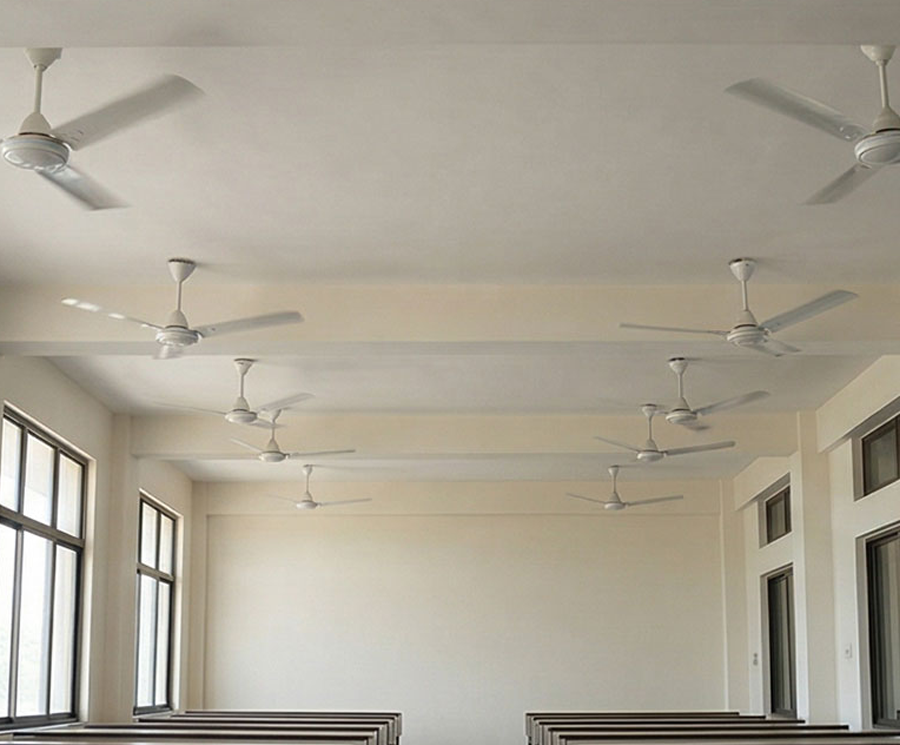
Assessment of demand across institutional and commercial buildings to identify market potential and barriers to adoption.

Scaling Adoption
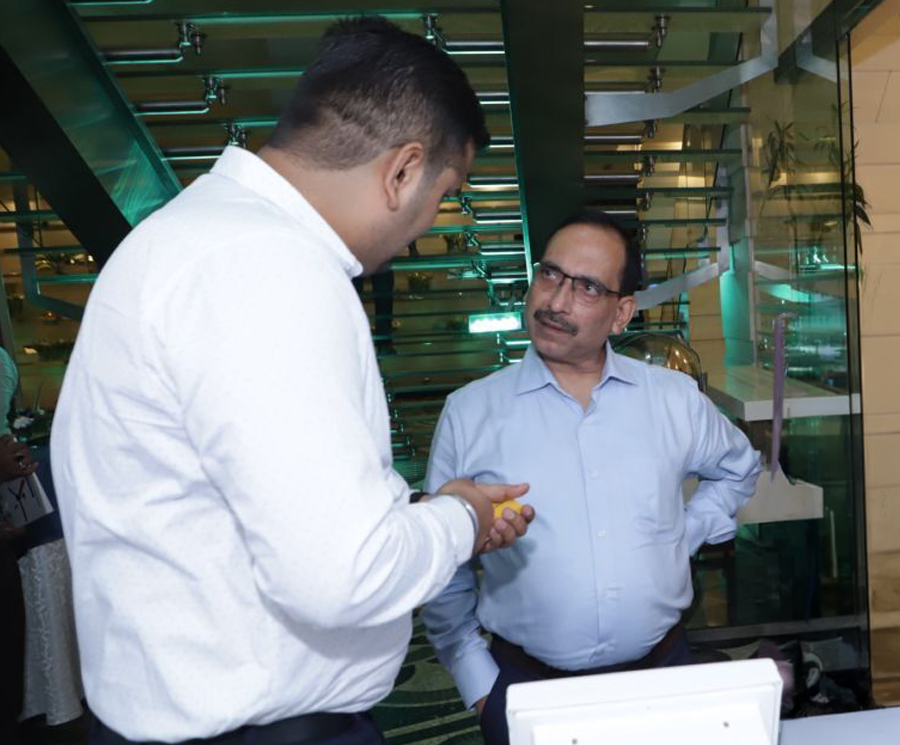
Providing tools, technical support, and procurement resources to help institutions deploy energy-efficient ceiling fans at scale.

Connecting Buyers and Manufacturers
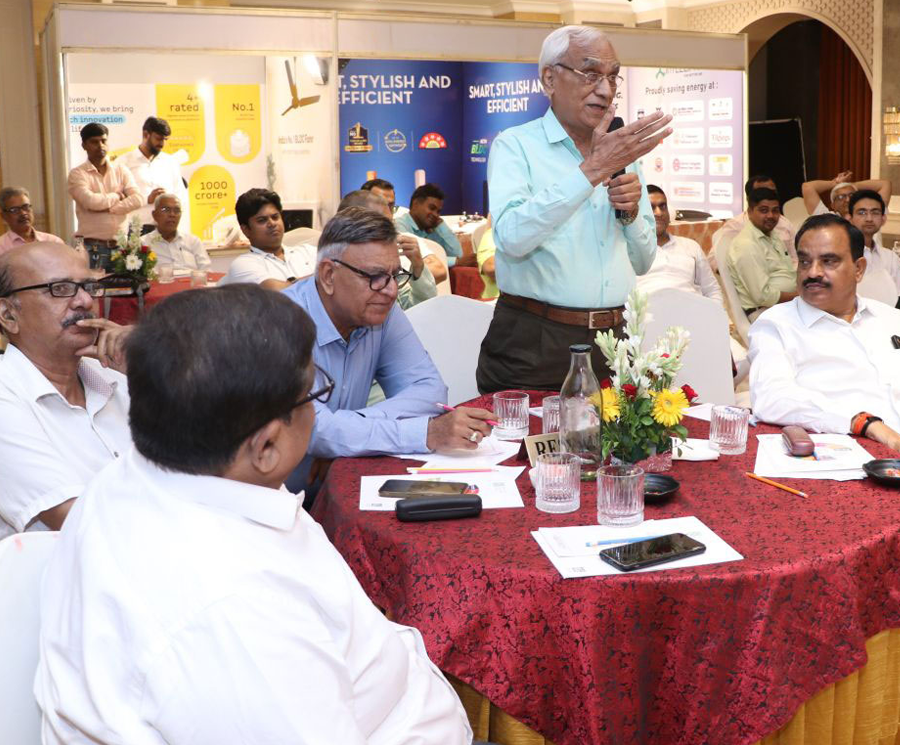
Buyer–seller meets and industry engagements enabled direct dialogue and facilitated deployments across more than 20 institutions.

Start Your Transition to Energy-Efficient Cooling
Read the FAQ document or connect with our experts for guidance on procurement, technical specifications, or installation.
Contact Our Team: Balendu Bhushan Pandey  balendu@aeee.in

